Peptides for men: what guys are actually using, and how good the evidence is for each
The short answer
Four things often get grouped under "peptides for men": tesamorelin and other growth-hormone peptides for body composition, BPC-157 for injury recovery, and two non-peptide drugs riding the same wave, sildenafil for erections and oral minoxidil for hair. The evidence runs from approved-drug trials (tesamorelin, sildenafil) to mostly animal studies (BPC-157). None is shown to raise testosterone.
“Peptides for men” has become a catch-all. On X, in podcasts and in telehealth ads, the label now covers growth-hormone peptides, an injury-recovery peptide with almost no human data, and two ordinary pills that are not peptides at all. This page sorts out what men are actually using, grades the evidence for each in plain words, and points you to the sites in our network that cover each one in depth.
What peptides are men actually using?
Four substances often get grouped under this label, and only two of them are peptides. Tesamorelin (and the wider family of growth-hormone peptides such as CJC-1295 and ipamorelin) is used for belly fat and body composition. BPC-157 is used for tendon, joint and muscle recovery. Sildenafil, the active ingredient in Viagra, and oral minoxidil, a blood-pressure drug used off-label for hair loss, are small-molecule drugs that some online peptide stores also sell. Each has a very different evidence base, so lumping them under one label hides more than it explains.
Tesamorelin and the GH peptides: what the evidence shows
Tesamorelin is the best-studied peptide in this group, and its evidence level is an approved drug with large randomized trials, for a narrow labeled use. It is a synthetic version of growth hormone-releasing hormone, sold as Egrifta, and its label limits the indication to reducing excess abdominal fat in adults with HIV and lipodystrophy. The same label says it is not indicated for weight loss because it has a weight-neutral effect, and that its long-term cardiovascular safety has not been established (Egrifta WR label, DailyMed).
The core trial randomized 412 adults with HIV, 86% of them men, to daily tesamorelin or placebo for 26 weeks. Visceral fat fell 15.2% on tesamorelin and rose 5.0% on placebo, triglycerides dropped, and IGF-1 rose 81% (Falutz et al., 2007). Lean body mass rose about 1.2 to 1.3 kg on scans, and when people were switched to placebo, visceral fat came back and that lean mass fell again (Egrifta WR label).
What men want from it, more muscle and a leaner midsection as healthy lifters, has not been tested. CJC-1295 and ipamorelin have far less human data than tesamorelin: a 2026 urology review found that GH secretagogues raise growth hormone and IGF-1 but have limited evidence for better physical performance (Vasylieva et al., 2026). Recomp Lab covers the whole family in its growth hormone peptides guide and grades the muscle claim specifically in does tesamorelin build muscle.
BPC-157 for recovery: what the evidence shows
BPC-157’s evidence level is mostly animal studies, with almost no human data. A 2025 systematic review in orthopaedic sports medicine identified 544 articles and included 36 studies: 35 preclinical and 1 clinical (Vasireddi et al., 2025). In animal models it improved healing in muscle, tendon, ligament and bone injuries. The single human study was retrospective: 7 of 12 people who received a knee injection for chronic knee pain reported relief lasting more than six months, with no control group. The review found no clinical safety data and warned that unregulated manufacturing, contamination and unknown clinical safety could all cause harm.
That gap between a large animal literature and a near-empty human one is the whole BPC-157 story. The Recovery Dose walks through the injury-by-injury evidence in peptides for injury recovery.
Sildenafil and minoxidil: the crossovers that are not peptides
Sildenafil and oral minoxidil sit on peptide menus because men shopping for one often want the others, not because they work the same way. Neither is a peptide.
- Sildenafil is an approved drug for erectile dysfunction, labeled use. It works only with sexual stimulation, and it must never be combined with nitrates (including “poppers”) or riociguat, because the combination can drop blood pressure to an unsafe level (Viagra label, DailyMed). The Ed Report explains the mechanism in how ED medications work.
- Oral minoxidil for hair loss is off-label. The evidence summarized here is a head-to-head randomized trial plus large observational safety data. In a double-blind trial of 90 men with pattern hair loss, oral minoxidil at the trial’s 5 mg daily was not superior to twice-daily 5% topical minoxidil after 24 weeks, though it did better on the crown in some measures (Penha et al., 2024). A multicenter review of 1,404 patients on low-dose oral minoxidil found unwanted hair growth (hypertrichosis) was the most common side effect, in 15.1% (Vañó-Galván et al., 2021). Complexion Science covers it in oral minoxidil for hair loss. For men on testosterone, our page on testosterone and hair loss covers how TRT, DHT and these hair drugs fit together.
What a 2026 urology review says about peptides for men
The most useful single read on this topic is a narrative review published in Sexual Medicine Reviews in September 2026 by urologists in Northern California. They screened 725 records and included 76 studies on peptides used in urology and sexual medicine, from bremelanotide and kisspeptin to the growth-hormone secretagogues men talk about: ipamorelin, tesamorelin, sermorelin, CJC-1295, GHRP-2, GHRP-6 and ibutamoren (MK-677) (Vasylieva et al., 2026).
Their conclusions line up with everything else on this page:
- Two are clinically established. Bremelanotide and tesamorelin are the agents with defined dosing and regulatory approval for selected uses.
- GH secretagogues move blood numbers, not outcomes. They reliably raise growth hormone and IGF-1, but evidence for better sexual function, physical performance or quality of life remains limited.
- The gray market is the risk. CJC-1295, ibutamoren, Melanotan II and related agents circulate through unregulated markets, which raises concerns about product quality, dose variability and side effects nobody has fully characterized.
- Safety data are thin across the board. Follow-up is short, samples are small, and cardiovascular, metabolic and cancer outcomes are incompletely assessed.
Their advice to clinicians is to separate approved therapies from investigational and unregulated compounds, and to tell patients plainly that the benefit is uncertain. That is a fair rule for readers too.
Stacks and blends men talk about
Peptides are rarely discussed one at a time. Two combinations come up often: tesamorelin with ipamorelin, on the logic that a GHRH signal and a ghrelin-pathway signal add up, and BPC-157 with TB-500 for recovery, often sold as a “Wolverine” blend. Both are sold as ready-made blends. Neither has a human trial behind it. A PubMed search on October 12, 2026 for tesamorelin and ipamorelin together returned seven articles, all of them reviews, and a search for BPC-157 with TB-500 or thymosin beta-4 returned 11 articles, mostly reviews plus one rat study of the pair, with no human trial of the combination. Any claim about what a blend does is extrapolated from the separate compounds, which, outside tesamorelin, have little human data on their own. Recomp Lab covers the GH stacks in its growth hormone peptides guide, and The Recovery Dose covers the recovery blends.
Peptides for men compared
The table puts the two approved drugs first and BPC-157, which has the thinnest human evidence, last. PeptideAgent’s ranking of peptides for men by human evidence covers a wider list the same way, putting hCG, the GLP-1 drugs, teriparatide and tesamorelin at the top because they have human trials and a lawful route.
| Attribute | Tesamorelin | Sildenafil | Oral minoxidil | BPC-157 |
|---|---|---|---|---|
| What it is | GHRH analog peptide | PDE5 inhibitor (not a peptide) | Vasodilator (not a peptide) | Gastric-derived peptide |
| Why men use it | Belly fat, body composition | Erections | Hair loss | Tendon, joint and muscle recovery |
| Evidence level | Approved drug, labeled use in HIV; untested in healthy lifters | Approved drug, labeled use | Off-label; a randomized trial vs topical plus observational safety data | Mostly animal studies; one small uncontrolled human study |
| Best-documented side effects | Injection-site reactions, joint pain, swelling, higher blood sugar | Headache, flushing, upset stomach, vision changes | Unwanted hair growth | No clinical safety data |
| Raises testosterone? | No evidence | No evidence | No evidence | No evidence |
| One-month listing | $220 | $120 | $99 | $199 |
What side effects should men know about?
The side effects follow the mechanism, and they are best documented for the two approved drugs. On tesamorelin, injection-site reactions occurred in 17% versus 6% on placebo, joint pain in 13% versus 11%, and muscle pain and swelling in 6% versus 2% each. More patients developed an HbA1c of 6.5% or higher (5% versus 1%), and 47% had IGF-1 more than 2 standard deviations above normal by 26 weeks; the label calls the effects of prolonged IGF-1 elevation unknown and lists active cancer as a contraindication (Egrifta WR label).
Sildenafil’s most common side effects are headache, flushing, upset stomach, vision changes, stuffy nose and back or muscle pain; rarer serious ones include erections lasting more than four hours and sudden vision or hearing loss (Viagra label). Men on nitrates, alpha-blockers or other blood-pressure drugs need to raise that before starting. For BPC-157 there is simply no clinical safety record to read (Vasireddi et al., 2025). Anyone who competes in tested sport should know that WADA’s 2026 list bans BPC-157 under non-approved substances (S0) and tesamorelin under growth hormone releasing factors (S2) (WADA Prohibited List).
What peptides increase testosterone?
None of the peptides men commonly use has been shown to raise testosterone. Testosterone is driven by the pituitary hormone LH, and the tesamorelin label reports no clinically significant changes in LH in its clinical trials (Egrifta WR label). The peptides that do act on the testosterone axis are a different group: kisspeptin “shows early promise but remains investigational,” and gonadorelin, once FDA-approved, is no longer manufactured, according to a 2026 urology review (Vasylieva et al., 2026). Our page on whether peptides raise testosterone goes through kisspeptin and each growth-hormone peptide study by study. If low testosterone is the real question, it starts with morning bloodwork; our comparison of TRT vs testosterone boosters explains what actually moves the number, and our page on hCG and enclomiphene covers the drugs that work through LH.
What peptides build muscle?
No peptide has been shown in a controlled trial to build muscle or strength in healthy, trained men. Tesamorelin raised scan-measured lean mass by about a kilogram in adults with HIV (Egrifta WR label), and even injected growth hormone, in a systematic review of trials in fit young adults, raised lean body mass by 2.1 kg, but strength and exercise capacity did not appear to improve (Liu et al., 2008). Recomp Lab ranks every option in peptides for muscle growth.
Are peptides safer than steroids?
They are different risks, and “safer” is not something the evidence can promise for unapproved peptides. An Endocrine Society scientific statement notes that most users of performance-enhancing drugs, anabolic steroids included, are non-athlete weightlifters who often take highly supraphysiologic doses, and links that use to a higher risk of death and to cardiovascular, psychiatric, endocrine and other harms (Pope et al., 2014). Tesamorelin has a labeled side-effect profile from large trials, while BPC-157 has no clinical safety data at all. Recomp Lab lays out the trade-offs in GH peptides vs anabolic steroids. Where prescribed testosterone fits on that spectrum is covered in is TRT a steroid.
Best peptides for men over 40 and over 50
There is no peptide with trial evidence specific to men over 40 or over 50, so “best for your age” lists are marketing, not findings. The trials behind this page mostly enrolled other groups: tesamorelin’s in adults with HIV, the growth hormone review in fit adults averaging 27 years old (Liu et al., 2008), and the oral minoxidil trial in men averaging about 37 (Penha et al., 2024). For a man in his 40s or 50s the first useful step is usually the boring one: bloodwork for testosterone and a conversation about symptoms, which our guide to TRT for men over 40 walks through.
How much do peptides for men cost?
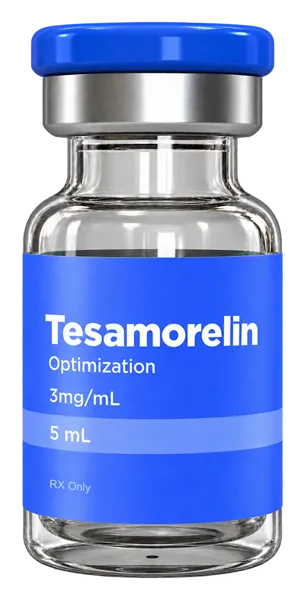
All of these are monthly costs for as long as you stay on them, and tesamorelin’s trial benefits faded after stopping. At Bodybuilding Peptides on October 12, 2026, tesamorelin was listed at $220 for one month or $180 a month on a three-month plan; BPC-157 injectable at $199 a month; sildenafil at $120; and oral minoxidil at $99, or $89 a month on a three-month plan. Brand-name Egrifta and Viagra are prescription drugs whose price depends on insurance and pharmacy, and we have not verified list prices for them, so we do not print any. The tesamorelin listed at that store is not the brand-name Egrifta.
What the community is saying about peptides for men
Our Community Insights samples are small and come only from public posts on X, so read them as a temperature check, not evidence. The men’s-health sample on BPC-157 (16 posts, July 16 to 20, 2026) shows three threads:
- An add-on, not a hormone. Posters list BPC-157 alongside testosterone, other steroids and other peptides when describing stacks, framing it as a recovery add-on within a broader regimen.
- A split on safety. Some call it cheap and very safe; one poster reported finding about 20 self-reported cancer-like adverse events, pointed to its proposed VEGF mechanism, and stressed the numbers have no known denominator.
- Worry about access. Several posts focused on the July 2026 FDA compounding advisory meeting, describing it as an access decision rather than an approval vote.
On the growth-hormone side, our CJC-1295 sample (17 posts on X, July 13 to 19, 2026) shows users calling tesamorelin the only approved GHRH, with some saying CJC-1295 wins on cost and tesamorelin on tolerability. Neither sample is evidence of what these compounds do.
Status (tesamorelin, BPC-157, sildenafil, oral minoxidil): Tesamorelin is FDA-approved only as Egrifta, for HIV-related abdominal fat; other uses are off-label. BPC-157 is not FDA-approved; sold by some telehealth providers as a compounded prescription; an FDA advisory committee reportedly voted in July 2026 to recommend allowing pharmacies to compound it, and nothing has changed yet. Sildenafil’s active ingredient is FDA-approved; compounded versions are not FDA-approved. Oral minoxidil’s active ingredient is FDA-approved; compounded versions are not FDA-approved, and use for hair loss is off-label. What this status means.
Educational information only, not medical advice. Efficacy and safety statements on this page are sourced to the FDA-approved labels, peer-reviewed trials and reviews linked above, and the anti-doping statement to WADA; the community summary reflects public posts on X from July 2026. Updated October 12, 2026. This page is drafted with AI assistance and fact-checked against the cited primary sources before publication.
Sources (10)
Advertising disclosure: links marked "Paid link" go to Bodybuilding Peptides (trybbpeptides.com), an affiliate destination, and TRT Clarity may earn a commission if you buy there. Our coverage is independent of that relationship, and nothing on this page is medical or legal advice.
 See it at Bodybuilding Peptides